
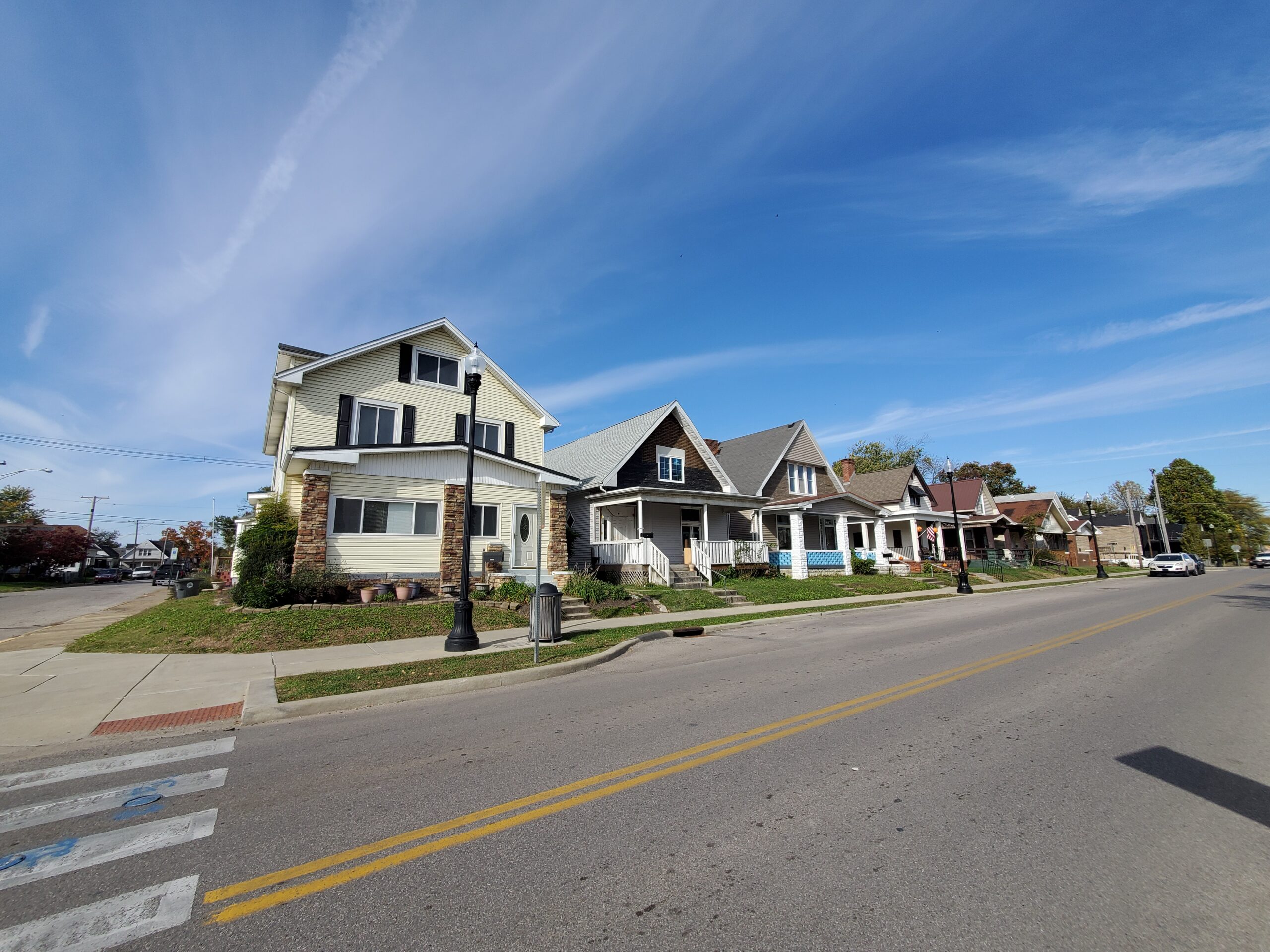
The Benefits of Being Part of a Community
Being part of a community offers numerous benefits that contribute to our overall well-being and personal growth. One of the most important benefits is the sense of belonging that comes from being part of something larger than ourselves. When we feel like we belong, we experience increased happiness, self-esteem, and overall life satisfaction.
Communities also provide opportunities for personal growth and development. By engaging with others who have different perspectives and experiences, we are exposed to new ideas and ways of thinking. This exposure can lead to personal growth as we challenge our own beliefs and expand our understanding of the world.
Additionally, communities offer access to resources and support that can help us navigate life’s challenges. Whether it’s finding a job, getting advice on parenting, or receiving emotional support during difficult times, communities provide a network of people who are there to help us when we need it most.
Building Stronger Relationships through Community
One of the key benefits of being part of a community is the opportunity to build stronger relationships with others. Shared experiences and interests create a sense of camaraderie and connection that can lead to deep and meaningful relationships.
In addition, communities often foster collaborative problem-solving. When faced with challenges or obstacles, community members can come together to brainstorm solutions and support one another in finding the best way forward. This collaborative approach not only strengthens relationships but also leads to more effective problem-solving.
Being part of a community also increases empathy and understanding. When we interact with people who have different backgrounds and experiences, we gain a broader perspective and develop a greater appreciation for diversity. This increased empathy and understanding can lead to more compassionate and inclusive communities.
The Power of Support Systems in Communities
Support systems are a crucial aspect of communities. They provide emotional support, practical assistance, and mutual aid and reciprocity.
Emotional support is essential for our mental and emotional well-being. Having a network of people who are there to listen, offer advice, or simply provide a shoulder to lean on can make a significant difference in our lives. In times of crisis or hardship, knowing that we have a community to turn to can provide immense comfort and strength.
Practical assistance is another important aspect of support systems. Whether it’s helping with household chores, providing transportation, or offering childcare, communities can come together to provide practical support to those in need. This practical assistance not only lightens the load for individuals but also strengthens the bonds within the community.
Mutual aid and reciprocity are also key components of support systems in communities. When community members come together to help one another, it creates a culture of giving and receiving that fosters a sense of interconnectedness and solidarity.
Community-Based Learning and Personal Growth
Communities offer valuable opportunities for learning and personal growth. By engaging with others who have different skills, knowledge, and experiences, we can learn from one another and expand our own horizons.
Mentorship and guidance are common in communities, where more experienced members can offer advice and support to those who are just starting out. This mentorship not only helps individuals develop new skills but also fosters a sense of connection and intergenerational learning.
Skill-sharing and knowledge exchange are also prevalent in communities. Whether it’s through workshops, classes, or informal gatherings, community members have the opportunity to share their expertise and learn from others. This exchange of skills and knowledge not only benefits individuals but also strengthens the community as a whole.
The Role of Community in Mental Health and Wellness
Community plays a vital role in promoting mental health and wellness. Social support and connection are essential for our well-being, and communities provide a network of people who can offer this support.
When we feel connected to others and have a sense of belonging, we are less likely to experience feelings of loneliness and isolation. This social support can help protect against mental health issues such as depression and anxiety.
Communities also play a crucial role in reducing stigma and isolation surrounding mental health. By creating safe spaces for open dialogue and support, communities can help break down barriers and create a more inclusive and understanding society.
Furthermore, communities provide access to mental health resources. Whether it’s through support groups, counseling services, or educational programs, communities can help individuals access the resources they need to maintain their mental health and well-being.
Community-Based Activism and Social Change
Communities have the power to drive social change through collective action and advocacy. When community members come together to address systemic issues and inequalities, they can create lasting change.
Collective action involves community members working together towards a common goal. This can take the form of protests, petitions, or grassroots organizing. By mobilizing their collective power, communities can bring attention to important issues and demand change.
Grassroots organizing is another powerful tool for social change. By starting at the local level, communities can build momentum and create change from the ground up. Grassroots organizing often involves community members coming together to identify issues, develop solutions, and advocate for change.
Addressing systemic issues and inequalities is another important aspect of community-based activism. Communities have the power to challenge existing structures and advocate for policies that promote equality and justice.
Overcoming Isolation and Loneliness through Community
One of the biggest challenges in today’s society is social isolation and loneliness. Many individuals feel disconnected and alone, which can have a significant impact on their mental and physical health.
Communities play a crucial role in combatting social isolation. By providing opportunities for connection and belonging, communities can help individuals build meaningful relationships and create a sense of belonging.
Building meaningful connections is essential for combating loneliness. Communities offer a space where individuals can meet like-minded people, form friendships, and engage in activities that bring them joy and fulfillment.
Fostering a sense of purpose and belonging is another important aspect of overcoming isolation. When individuals feel like they are part of something larger than themselves, they are more likely to experience a sense of purpose and fulfillment in their lives.
The Economic Benefits of Community Involvement
Community involvement can have significant economic benefits for individuals and communities alike. By being part of a community, individuals gain access to increased economic opportunities.
Communities often provide networking opportunities that can lead to job prospects and career advancement. By connecting with others who work in similar fields or industries, individuals can gain valuable insights, make important connections, and access job leads that they may not have otherwise been aware of.
Local economic development is another benefit of community involvement. When individuals support local businesses and organizations, they contribute to the growth and prosperity of their community. This increased economic activity can lead to job creation, increased tax revenue, and improved quality of life for community members.
Entrepreneurship and innovation are also fostered within communities. By providing a supportive environment for new ideas and ventures, communities can help individuals start their own businesses, create jobs, and drive economic growth.
Challenges and Obstacles to Building Strong Communities
While communities offer numerous benefits, there are also challenges and obstacles that can hinder their development. Barriers to participation can prevent individuals from fully engaging with their community. These barriers may include lack of time, lack of resources, or physical limitations.
Conflict and division can also pose challenges to building strong communities. Differences in opinions, values, or interests can lead to tension and division within a community. It is important for community members to find ways to navigate these differences and work towards common goals.
Lack of resources and support can also hinder community development. Without access to necessary resources such as funding, infrastructure, or educational opportunities, communities may struggle to meet the needs of their members and achieve their goals.
Embracing the Beauty of Community
In conclusion, community is an essential aspect of human life. It provides a sense of belonging, opportunities for personal growth, access to resources and support, and increased social capital. Communities foster stronger relationships through shared experiences and collaborative problem-solving. They also provide support systems that offer emotional support, practical assistance, and mutual aid.
Communities play a crucial role in learning and personal growth through mentorship, skill-sharing, and knowledge exchange. They also contribute to mental health and wellness by providing social support, reducing stigma and isolation, and offering access to mental health resources.
Furthermore, communities have the power to drive social change through collective action, grassroots organizing, and addressing systemic issues. They can combat social isolation and loneliness by fostering meaningful connections and a sense of purpose and belonging.
Community involvement also has economic benefits such as increased opportunities, local economic development, and entrepreneurship. However, there are challenges and obstacles that can hinder community development, including barriers to participation, conflict and division, and lack of resources and support.
Despite these challenges, the beauty of community lies in its ability to bring people together, support one another, and create positive change. By embracing the importance of community and working towards building stronger communities, we can create a more connected, inclusive, and thriving society.